.webp)
Return to Sport Physical Therapy in Sunrise, FL
Are You Actually Ready to Play?
Surgical clearance says your timeline is up. But are your strength and power numbers actually where they need to be? At Kinetic, return-to-sport decisions are built on objective force testing — not just how you feel or how long it has been.
Why Surgical Clearance Alone Is Not Enough to Return to Play
Time-Based Clearance Misses the Real Question
Surgeons clear athletes when healing milestones are hit — not when performance benchmarks are met. Re-injury rates after ACL reconstruction are significantly higher for athletes who return without objective strength and power validation.
Asymmetry That Discharge Didn't Catch
Side-to-side strength deficits often persist at standard PT discharge — even when symptoms are gone. Those deficits do not disappear once you start competing. They become the compensation pattern that leads to the next injury.
Returning Without Confidence Is Its Own Risk
Athletes who return before they feel ready often protect the injured side unconsciously — changing how they land, cut, and absorb force. Objective testing and progressive loading builds the trust that lets you move freely again.
A Clearance Protocol Built on Data, Not Timelines
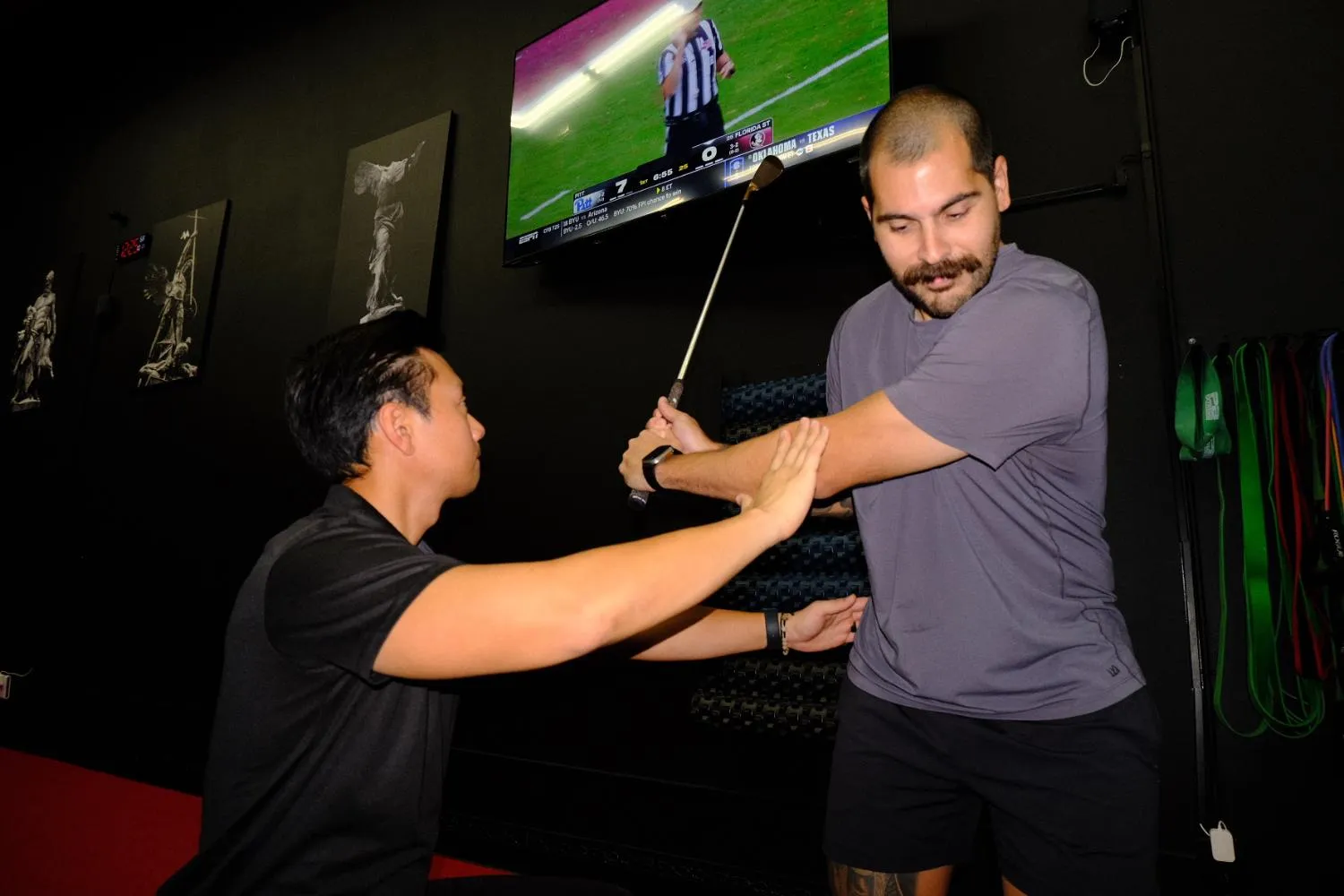
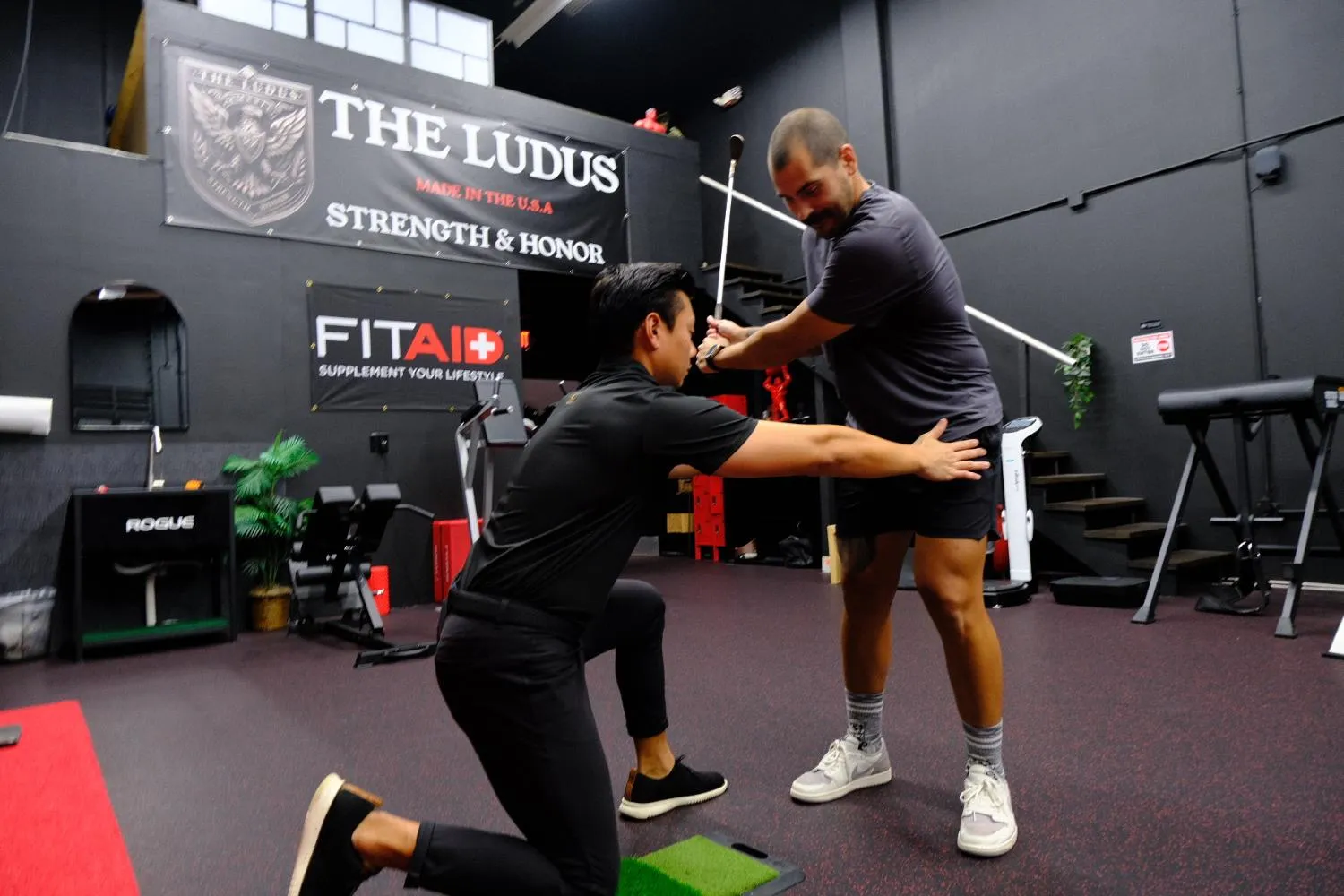
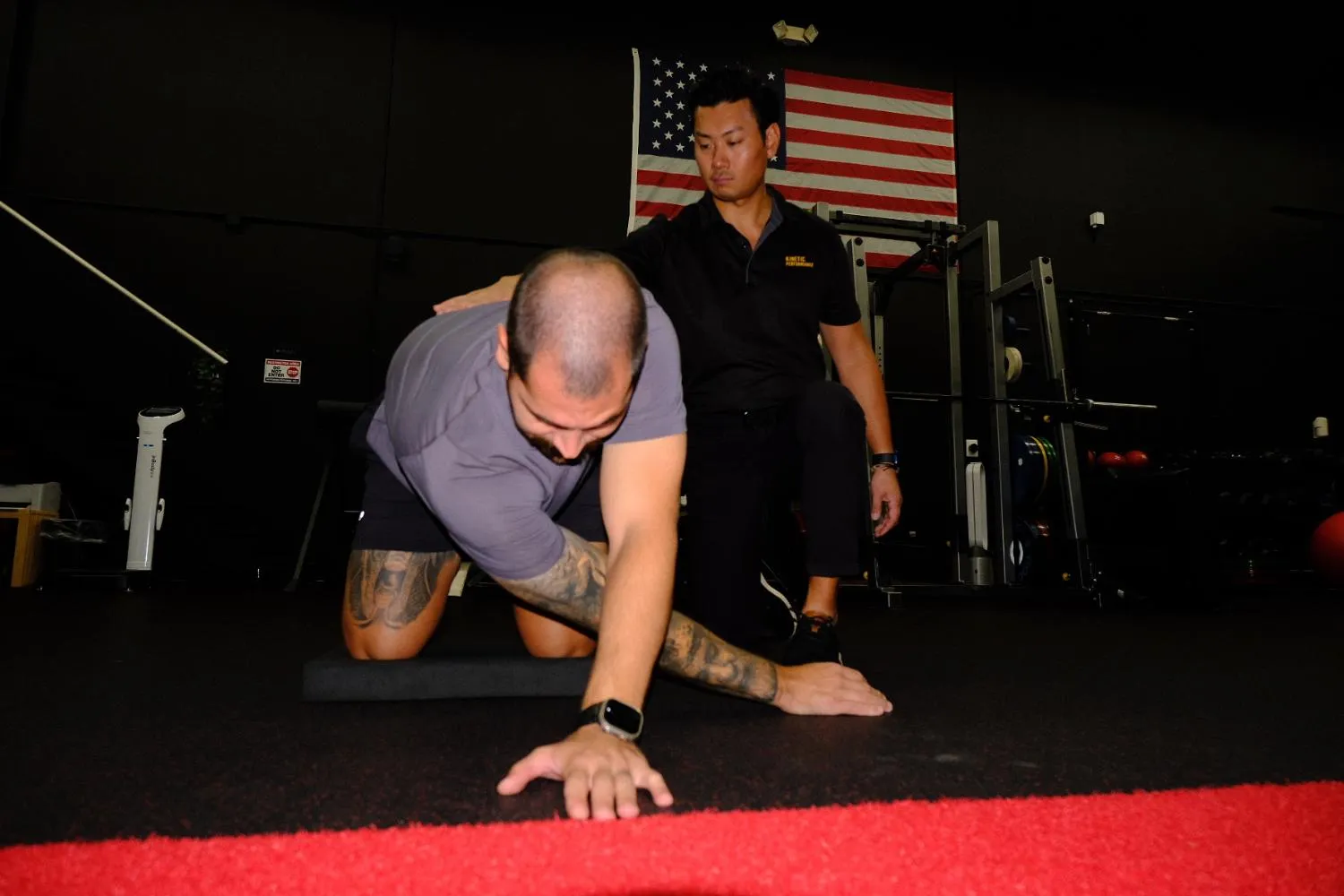
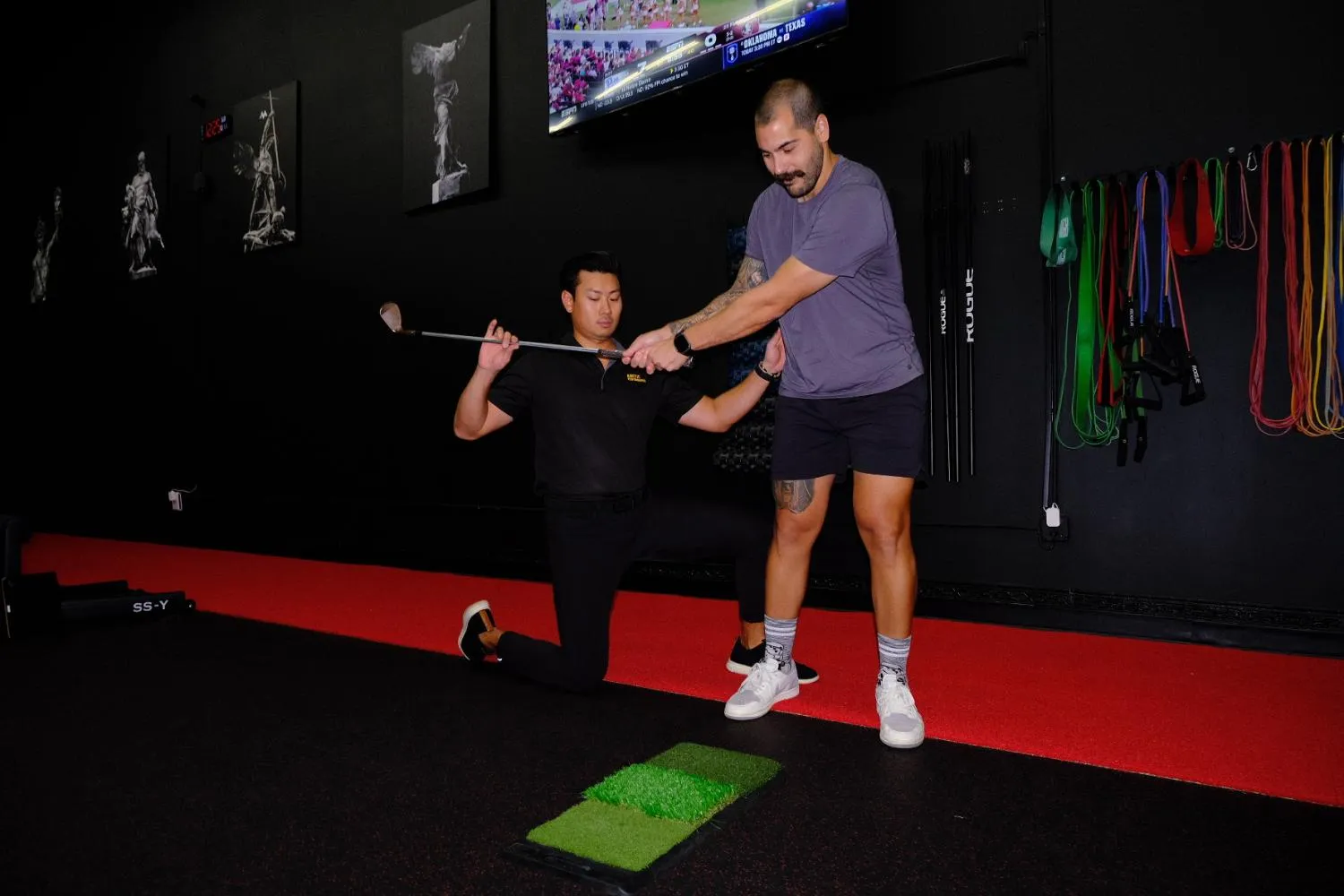
We integrate performance testing with return-to-sport programming — built on a foundation of DPT and CSCS expertise. You will not be told you are ready based on calendar days — you will know because the numbers say so.
Who This Program Is For
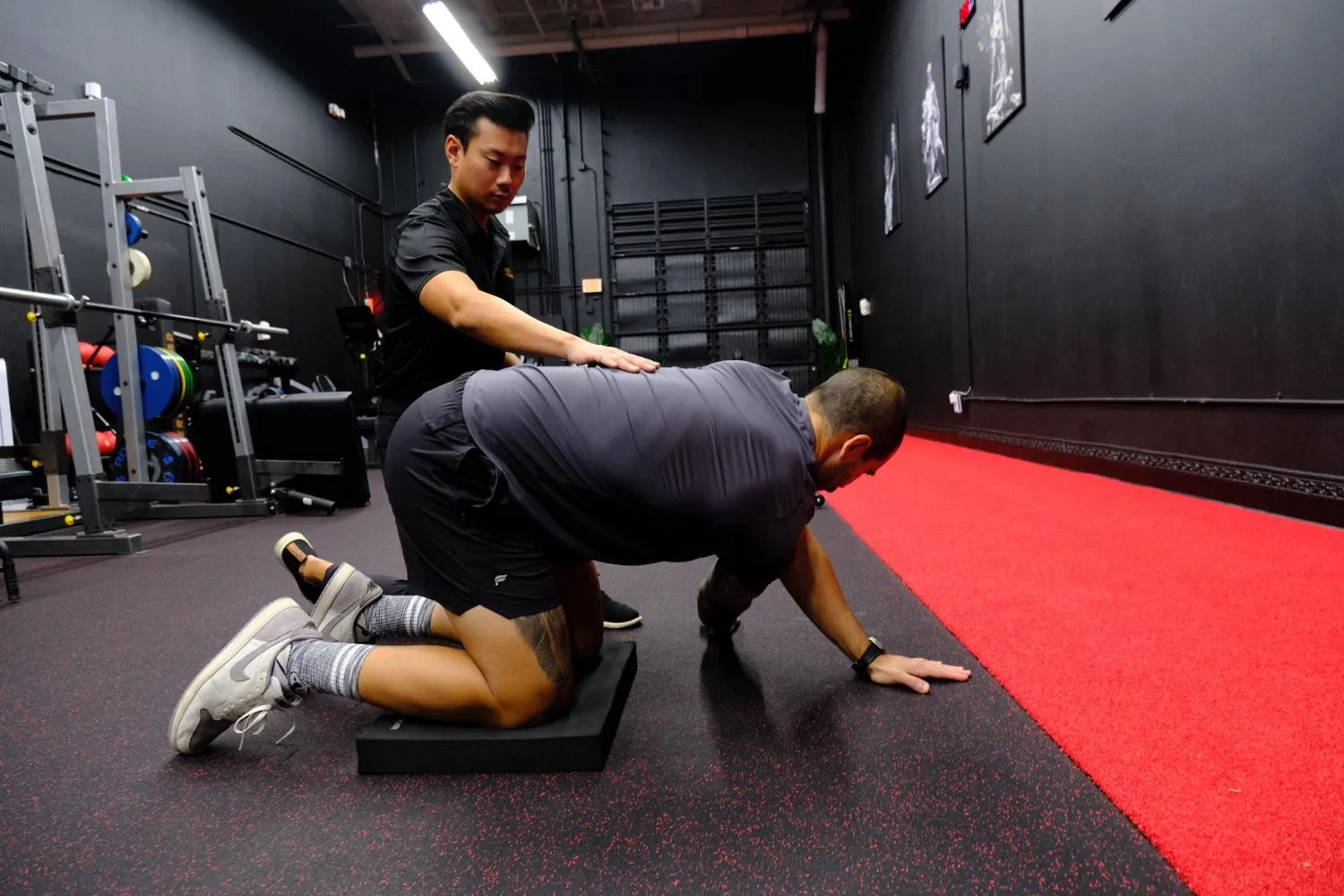
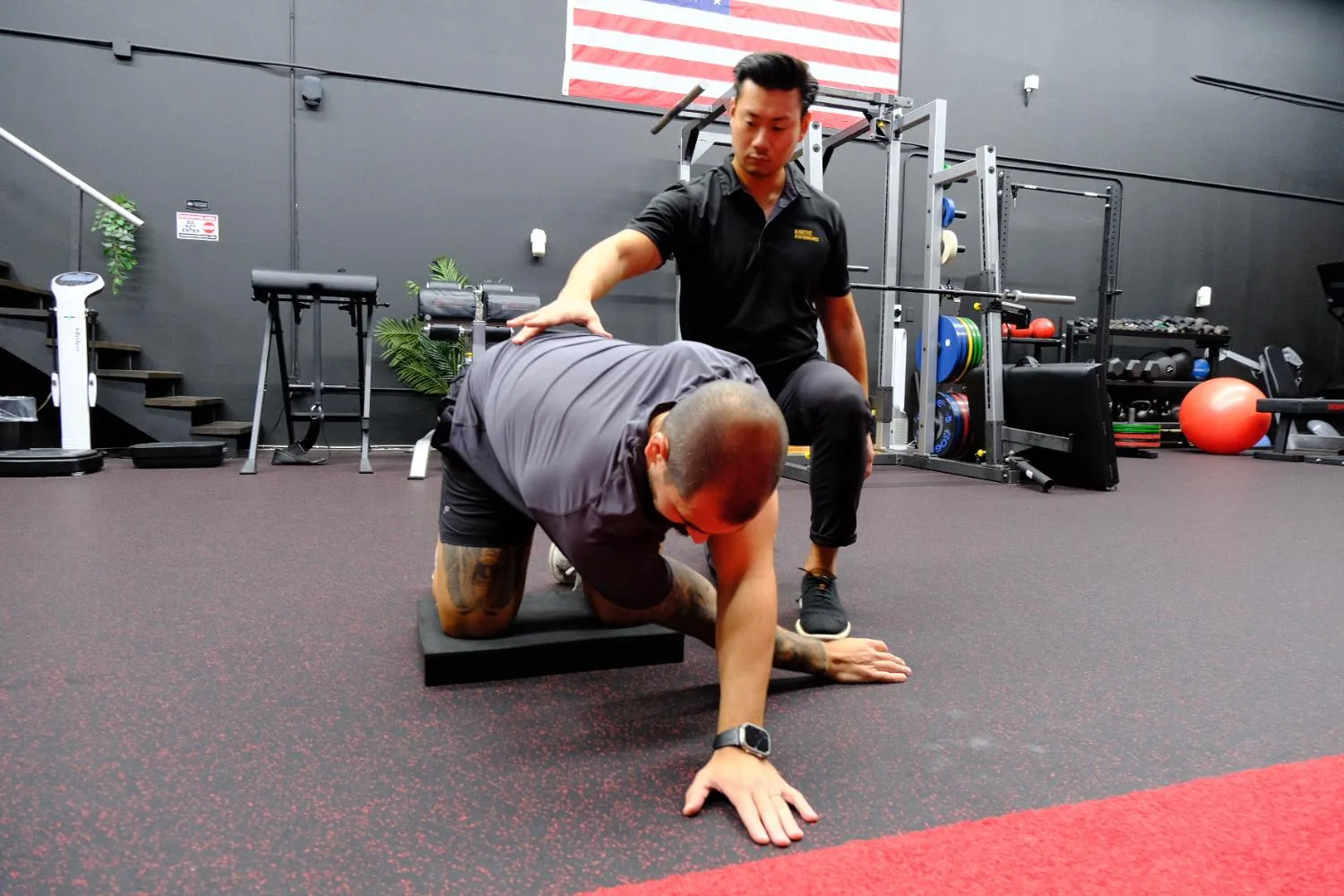
Return to sport programming at Kinetic is for athletes who need more than symptom resolution before competing. Whether it is post-surgical rehab, a significant injury, or pre-tryout preparation, the program is built around your data and your sport.
Post-ACL reconstruction athletes preparing for return to play
Achilles rupture and lower extremity surgical recovery
Labral tear recovery (hip or shoulder) with sport-specific demands
Athletes who completed standard PT but feel they are not fully ready
Competitive athletes preparing for tryouts or recruiting evaluations
Documented strength asymmetry or movement deficits at standard discharge
Significant overuse injury requiring progressive return-to-load programming
Athletes with fear of re-injury or loss of confidence post-injury
Simple Steps to Getting Back to What You Love
Book a Free Discovery Call
Tell us what you're dealing with. This call is free, no commitment, and gives you a chance to ask questions and understand exactly how the process works.
Get a Personalized Plan of Care
Your initial evaluation includes a full-body movement assessment and strength testing. From that data, we build a care plan designed around how your body actually moves — not a one-size-fits-all protocol.
Return to Your Sport, Stronger
Progress through treatment with objective testing at every milestone. When you're ready to return to the course, the field, or the gym, you leave with a plan to stay there.
Athletes Who Got Back to Competing
Real results from real patients — verified Google Reviews.


Frequently Asked Questions
Questions about return-to-sport testing at Kinetic — answered straight.
My surgeon already cleared me — do I still need this?
Surgical clearance is typically time-based — it confirms healing, not performance readiness. Return-to-sport testing measures actual force output and limb symmetry to identify whether strength and power deficits remain. Many athletes who are cleared still show significant asymmetry that puts them at elevated re-injury risk.
What sports does this program apply to?
Any sport that demands high-load, reactive movement — team sports, golf, running, martial arts, tennis, and others. The testing and programming are adapted to your specific sport's demands. If you are preparing for tryouts, recruiting evaluations, or competition, that context is built into the plan.
How is this different from what I did in my original PT?
Standard PT discharge typically ends at symptom resolution. Return-to-sport testing goes further — objective force measurement, limb symmetry index, and sport-specific movement assessment to confirm you are not just pain-free but performance-ready. Our CSCS background also means the bridge to full athletic capacity is built with strength and conditioning principles.
How long does the return-to-sport program take?
It depends on your current deficits, your sport, and your timeline. After initial testing, Dr. Ho will map out a clear plan with expected milestones and re-test benchmarks — so progress is tracked with data, not just symptoms. Many athletes complete the program in four to eight weeks.
Can this help with a tryout or recruiting timeline?
Yes. If you have a tryout, recruiting event, or competition target, Dr. Ho builds the program around that date. Objective testing at the start establishes a baseline, and the plan progresses toward documented readiness — so you arrive with data, not just confidence, that you are ready to perform.
Still have questions?
Have more questions about return-to-sport? Reach out and we can talk through where you are and what makes sense.
Ready to Prove You're Ready to Play?
Book a free consultation with Dr. Ho to review where you are in your recovery and whether a return-to-sport protocol makes sense for you.